Extend Your Food’s Shelf Life – Naturally and Simply

Extend Your Food’s Shelf Life – Naturally and Simply
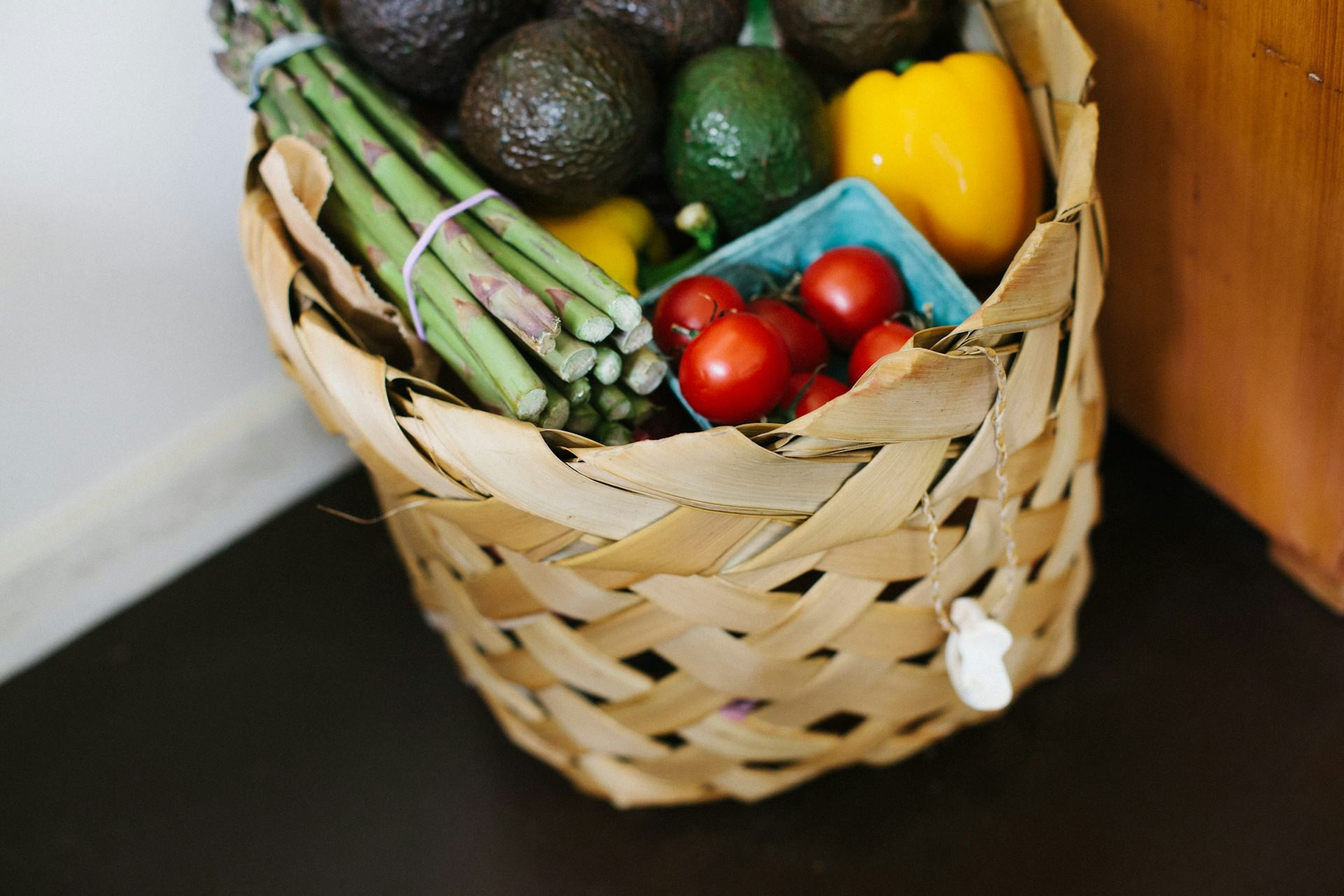
Food waste is a growing issue in many American households, but with a few simple habits, you can make your groceries last longer—without relying on artificial preservatives. It’s all about understanding how food reacts to temperature, moisture, and air, and how to store it properly. Here’s a guide to keeping your food fresh the natural way, while saving money and reducing waste.
Know Your Ingredients
Different foods have different storage needs. Some fruits and vegetables prefer cool, dry conditions, while others do best at room temperature. Knowing where each item belongs can make a big difference in how long it stays fresh.
A good rule of thumb:
- Refrigerator: Dairy, meat, fish, leafy greens, berries, and most vegetables.
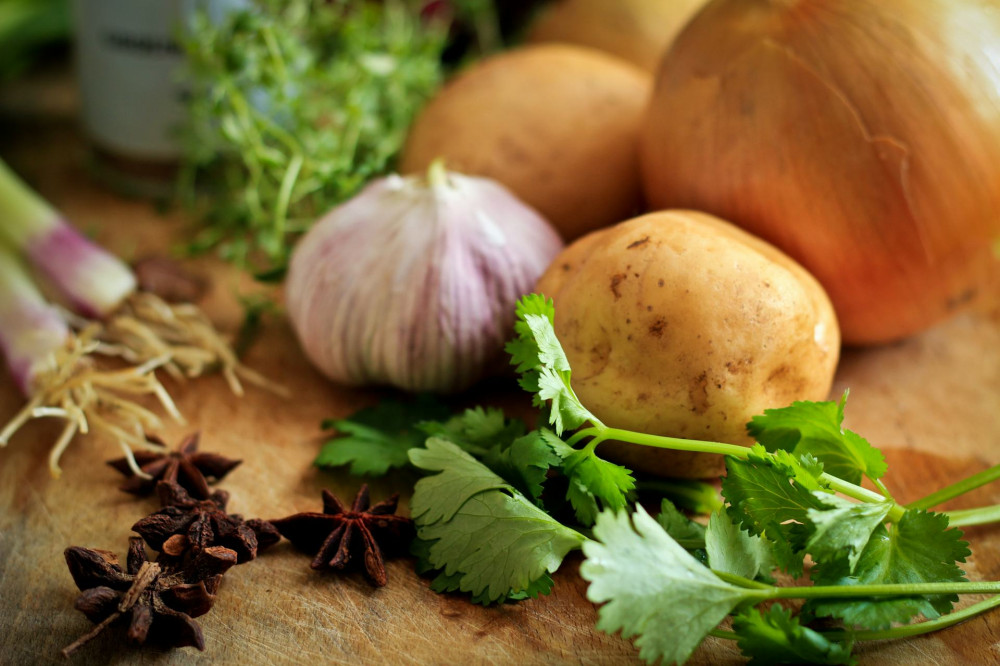
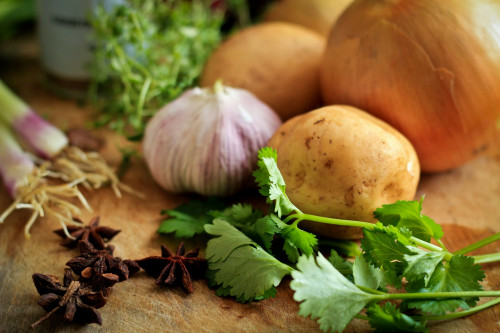
- Cool, dark place: Potatoes, onions, garlic, and root vegetables.
- Room temperature: Tomatoes, bananas, citrus fruits, and bread.
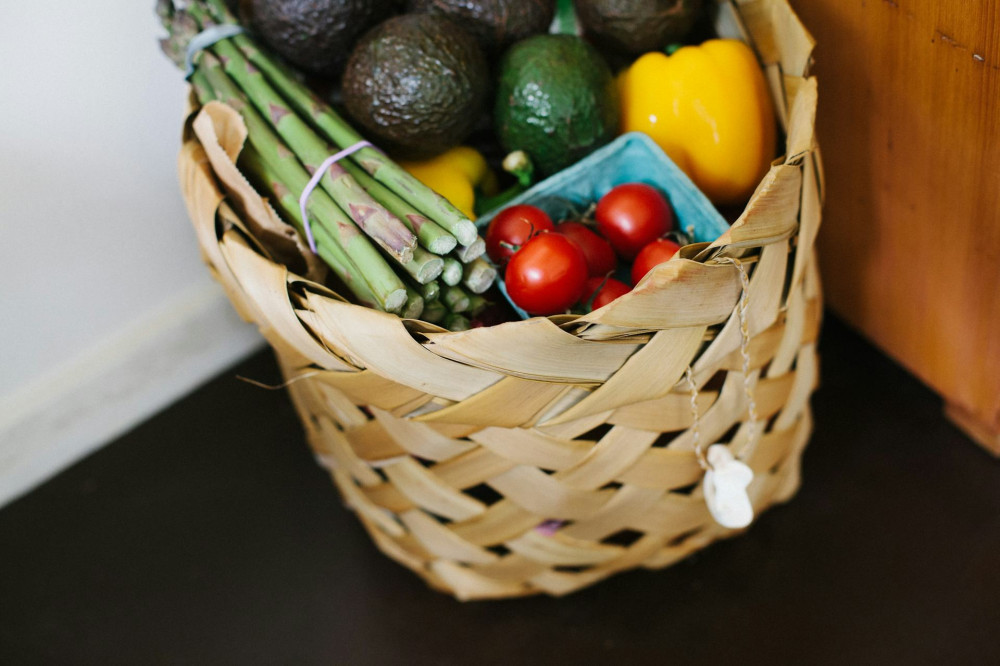
Avoid storing produce that emits ethylene gas—like apples and avocados—next to sensitive items such as leafy greens or berries, as it can cause them to spoil faster.
Use Nature’s Own Preservation Methods
Long before modern refrigeration, people used natural techniques to keep food fresh. Many of these methods are still effective—and delicious—today.
- Pickling: Vinegar and salt slow bacterial growth and add tangy flavor to cucumbers, onions, and peppers.
- Drying: Dehydrate fruits, herbs, or mushrooms and store them in airtight jars. This preserves flavor and makes them easy to use year-round.
- Salting and smoking: Ideal for meats and fish. Salt draws out moisture, while smoke adds flavor and helps prevent spoilage.
- Fermenting: Natural bacteria convert sugars into acids, as in sauerkraut, kimchi, or yogurt. Fermentation extends shelf life and supports gut health.
These methods take a little time, but the results are flavorful, healthy, and sustainable.
Store Food the Right Way
Small changes in how you store food can make a big difference.
- Keep your fridge clean and dry. Bacteria thrive in moisture and spills.
- Use glass or stainless steel containers. They seal tightly and don’t absorb odors.
- Limit air exposure. Oxygen speeds up spoilage, so use airtight lids, reusable silicone bags, or beeswax wraps.
- Freeze in portions. It’s easier to thaw only what you need and avoid waste.
- Label and date everything. You’ll always know when something was made or opened.
A simple trick: place older items at the front of your fridge or pantry so they get used first.
Use the Whole Ingredient
A lot of food waste comes from throwing away edible parts. Broccoli stems, carrot tops, and celery leaves can be turned into soups, pestos, or stocks. Stale bread makes great croutons or breadcrumbs, and overripe fruit is perfect for smoothies or baking.
By getting creative and using every part of your ingredients, you’ll stretch your groceries further and reduce waste.
Læs også:

Plan and Shop Smart
The best way to make food last longer is to buy only what you need and use what you have. Plan your meals, check your fridge before shopping, and avoid impulse buys. When planning, think in order: use the most perishable items early in the week and save longer-lasting ones for later.
It’s not about strict rules—it’s about creating a rhythm that keeps your kitchen efficient and waste-free.
Small Steps, Big Impact
Extending your food’s shelf life naturally doesn’t require fancy equipment—just awareness and a few good habits. By combining smart storage, traditional preservation methods, and thoughtful planning, you can cut down on waste, save money, and enjoy fresher, more flavorful food.
It’s good for your wallet, the planet, and your taste buds—and it all starts right in your own kitchen.
Læs også: