The Balance of Flavor: How Acidity, Salt, and Sweetness Elevate an Ingredient’s Natural Taste


The Balance of Flavor: How Acidity, Salt, and Sweetness Elevate an Ingredient’s Natural Taste
Cooking isn’t just about following a recipe—it’s about understanding how flavors interact. Acidity, salt, and sweetness are three essential elements that can transform a dish from flat to vibrant. They act as subtle adjustments that highlight an ingredient’s natural character and create harmony on the palate. Here’s how you can use them intentionally in your own kitchen.
Acidity – The Spark of Freshness
Acidity brings brightness and clarity to food. It cuts through richness, balances sweetness, and gives dishes a lively edge. Think about how a squeeze of lemon can wake up a piece of grilled salmon, or how a splash of vinegar can deepen the flavor of a sauce.
There are many sources of acidity: citrus fruits, vinegars, wine, yogurt, tomatoes, and fermented foods like sauerkraut or kimchi. The goal isn’t to make food taste sour—it’s to create balance. If a dish feels heavy or dull, it often means it’s missing a touch of acid.
A good rule of thumb is to add acidity near the end of cooking. That way, you can fine-tune the brightness without losing it to heat.
Salt – The Flavor Amplifier
Salt is perhaps the most fundamental seasoning in any kitchen. It enhances flavor, ties aromas together, and can even change the texture of ingredients. Without salt, even the best produce or proteins can taste bland.
But salt isn’t just about quantity—it’s also about timing. Salting meat ahead of time allows the seasoning to penetrate and keeps it juicy. Salting vegetables can draw out moisture and concentrate their flavor. And a sprinkle of flaky sea salt on a finished dish adds tiny bursts of crunch and savoriness.
Experiment with different types of salt: sea salt, kosher salt, smoked salt, or mineral-rich salts from various regions. Each brings its own subtle character to your food.
Læs også:

Sweetness – The Roundness of Balance
Sweetness isn’t only for desserts. In savory cooking, it plays a crucial role in balancing acidity and bitterness. A drizzle of honey in a vinaigrette, a grated carrot in tomato sauce, or caramelized onions in a stew can bring everything into harmony.
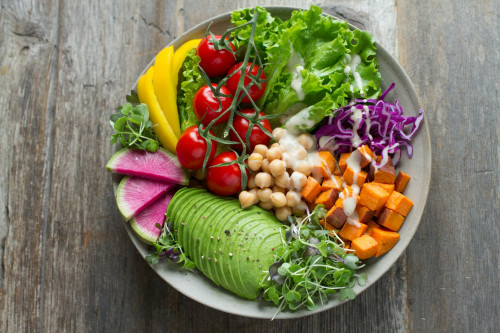
Natural sweetness appears in many ingredients—root vegetables, onions, nuts, fruits, and dairy. Cooking methods like roasting, sautéing, or caramelizing can draw out and deepen that sweetness, adding warmth and complexity.
The goal isn’t to make food sugary, but to use sweetness as a tool for balance. When sweetness, acidity, and salt work together, a dish feels complete and satisfying.
When Flavors Come Together
The best cooking happens when these three elements interact. Picture a simple summer salad: ripe tomatoes bring sweetness and acidity, salt enhances their flavor, and a drizzle of balsamic vinegar ties it all together. Or imagine a piece of grilled fish with lemon, sea salt, and a touch of butter—simple, but perfectly balanced.
A helpful habit is to taste as you cook and ask yourself: Does it need more brightness (acid)? More depth (salt)? More roundness (sweetness)? Over time, you’ll learn to adjust instinctively.
Practice Makes Perfect
Finding the right balance of flavor takes practice, but it’s one of the most rewarding skills you can develop in the kitchen. Start with small adjustments and notice how they change the way a dish tastes. The more you taste and experiment, the better you’ll understand how these elements work together.
Once you master the balance between acidity, salt, and sweetness, you’ll find that even the simplest meals can taste restaurant-worthy—because they’re in perfect harmony.
Læs også: