From Planning to Farewell: Step by Step Through the Funeral

From Planning to Farewell: Step by Step Through the Funeral
A funeral is one of life’s most meaningful ceremonies — a time to say goodbye, honor a life lived, and find comfort in shared memories. Yet, in the midst of grief, the practical and emotional details can feel overwhelming. This guide walks you step by step through the process — from the first arrangements to the final farewell — to help you create a service that is both personal and dignified.
The First Steps: When a Death Occurs
When a loved one passes away, there are both emotional and practical matters to address. The first step is to contact the appropriate authorities so that a death certificate can be issued. If the death occurs at home, a hospice nurse or local medical examiner can assist. If it happens in a hospital or care facility, staff will guide you through the initial procedures.
Next, contact a funeral home. A licensed funeral director can help coordinate the many details that follow — from transportation of the deceased to planning the service and handling necessary paperwork. Having an experienced professional by your side can be a great relief during a difficult time.
Choosing Between Burial and Cremation
One of the first major decisions is whether to choose burial or cremation. This choice often depends on the wishes of the deceased, religious or cultural traditions, and family preferences.
- Burial typically involves a viewing or visitation, a funeral service, and interment in a cemetery.
- Cremation offers flexibility — the service can take place before or after the cremation, and the ashes can be buried, placed in a columbarium, or scattered in a meaningful location (in accordance with local laws).
Take time to consider what feels most fitting for your loved one and your family.
Planning the Service
Once you’ve decided on burial or cremation, the next step is to plan the ceremony itself. A funeral can be traditional, religious, or completely personalized. Here are some key elements to consider:
- Location: Services are often held in a funeral home chapel, a place of worship, or another meaningful setting such as a park or family home.
- Officiant: A clergy member, celebrant, or family friend can lead the service. Choose someone who can reflect the tone and beliefs that best represent your loved one.
- Music: Music sets the mood and can be deeply comforting. Many families choose a mix of hymns, instrumental pieces, or songs that held special meaning.
- Readings and Eulogies: Friends and family may share readings, poems, or personal reflections that celebrate the life and character of the deceased.
- Flowers and Décor: Floral arrangements, photos, and personal items can help tell the story of your loved one’s life.
The most important thing is that the service feels authentic — a true reflection of the person you are honoring.
The Day of the Funeral
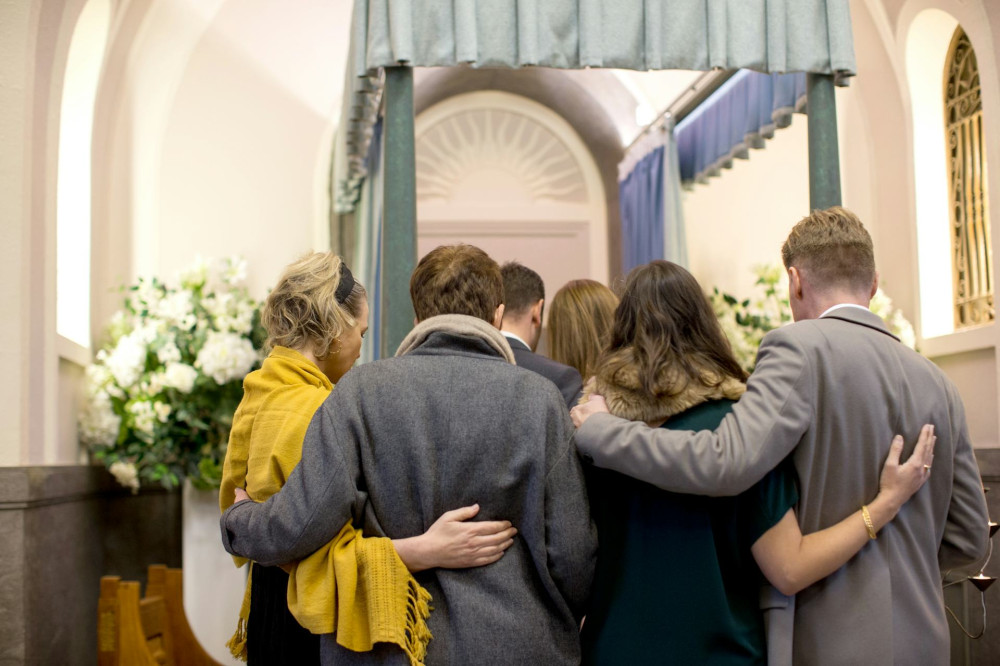
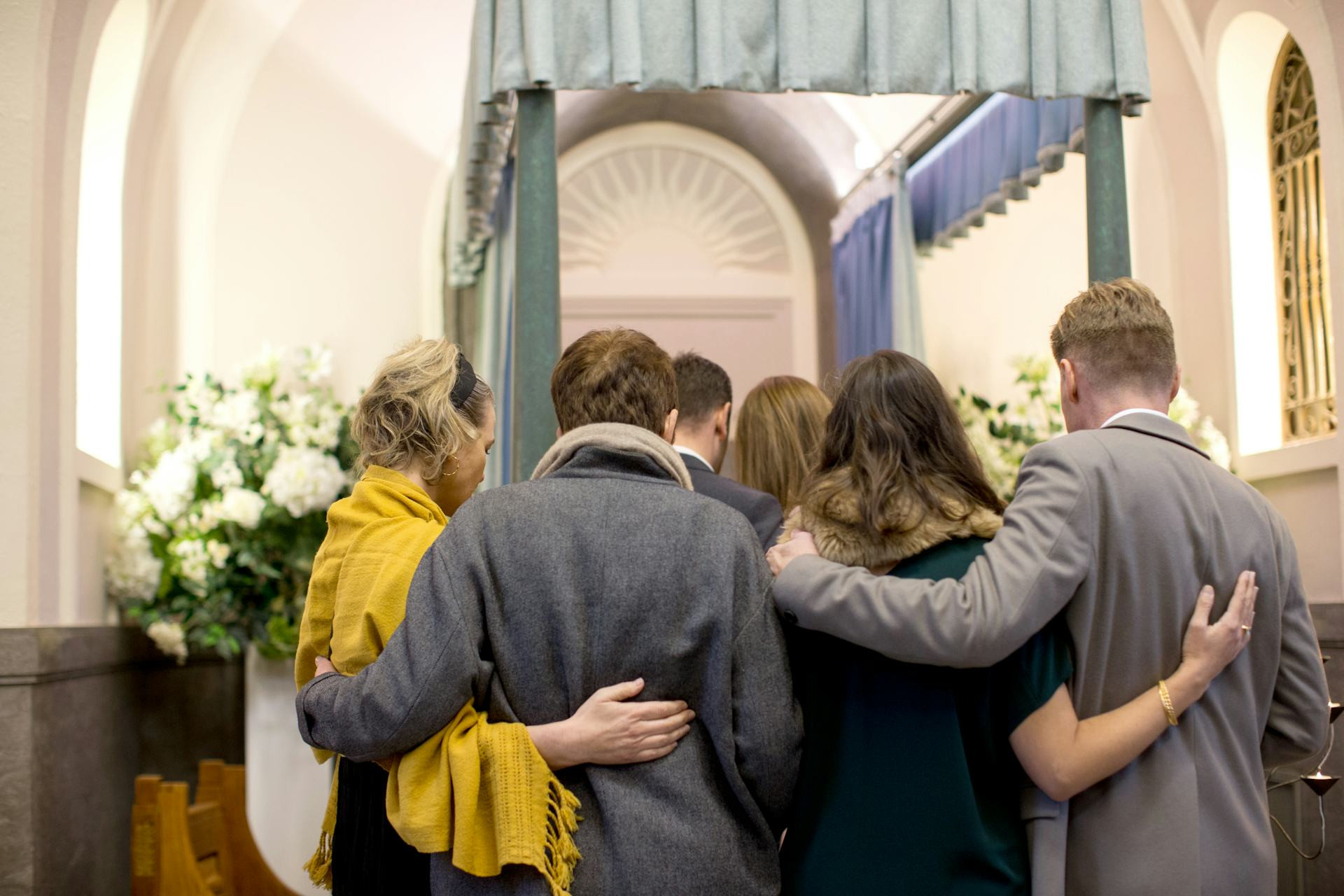
On the day of the funeral, family and friends gather to pay their respects and say goodbye. The service may include music, readings, prayers, and a eulogy. Afterward, the casket or urn is taken to the burial site or crematory.
This moment — when the casket is lowered or the urn placed — can be one of the most emotional parts of the day. It marks the transition from loss to remembrance, and it can bring comfort to know that the farewell was meaningful and heartfelt.
Læs også:


After the Service: Burial or Ash Scattering
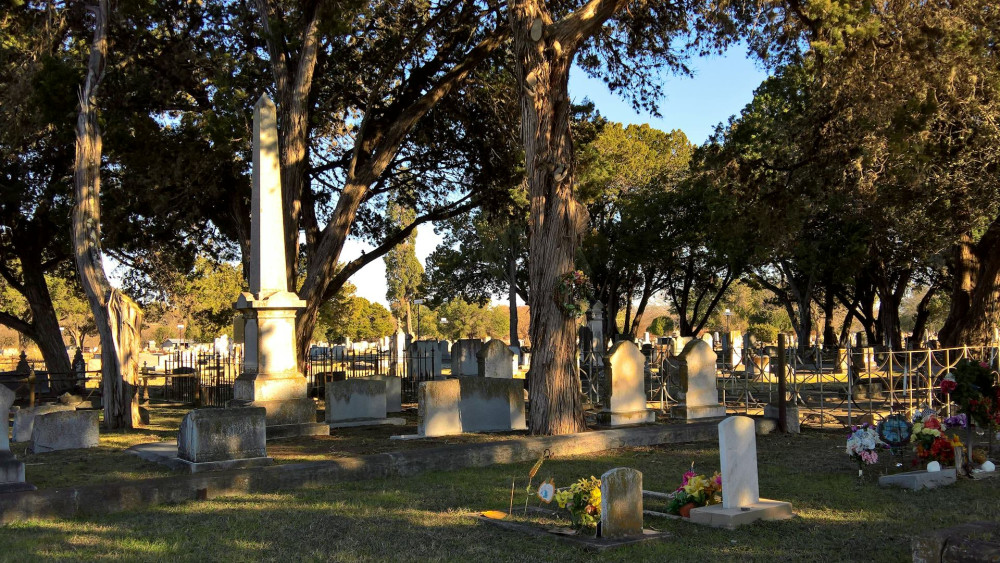
If burial is chosen, the graveside service provides a final opportunity for loved ones to gather, share a few words, and place flowers or soil on the grave. If cremation is chosen, the ashes may be buried, kept in an urn, or scattered in a location that held special significance. Some families choose to hold a separate ceremony for the scattering of ashes, creating another moment of reflection and remembrance.
The Reception: Gathering in Remembrance
After the service, many families host a reception or gathering — often called a repast — at a home, community hall, or restaurant. This is a time to share stories, look through photos, and support one another in grief. The atmosphere can be formal or casual, depending on what feels right for your family. Whether it’s coffee and dessert or a full meal, the focus is on connection and comfort.
In the Days and Weeks That Follow
When the funeral is over, the grieving process continues. It can help to visit the gravesite, write a letter to your loved one, or join a support group. Many find comfort in creating a memorial — a photo album, a garden, or an annual gathering — to keep their memory alive.
Grief has no set timeline, but taking small steps toward healing and remembering can bring peace over time.
A Meaningful Goodbye and a Lasting Memory
A funeral is not only about saying goodbye — it’s about celebrating a life and preserving the memories that remain. Whether through stories, photos, or quiet reflection, the love shared continues to live on. By planning a thoughtful and personal farewell, you honor both the life that was lived and the legacy that endures.
Læs også: