Thanksgiving and Traditions: How Gratitude and Remembrance Are Expressed Across Cultures

Thanksgiving and Traditions: How Gratitude and Remembrance Are Expressed Across Cultures
Saying thank you and remembering those who came before us are deeply human acts—but the ways we express them vary widely across the world. In some places, gratitude is a quiet reflection; in others, it’s a joyful celebration. What unites these traditions is the desire to connect: with one another, with the past, and with something greater than ourselves.
Here, we explore how different cultures express gratitude and remembrance—and what we might learn from each other.
Gratitude as a Way of Life
In many Asian cultures, gratitude is not just a feeling but a daily practice. In Japan, the concept of “arigatai” is tied to humility and respect for what one receives—whether it’s a meal, a gift, or a simple act of kindness. It’s about recognizing that nothing in life should be taken for granted.
In Buddhist traditions, gratitude is often expressed through action: by giving, helping others, or caring for the natural world. Gratitude becomes a cycle—something that grows stronger the more it is shared.
In the United States, gratitude has increasingly become part of conversations about mental well-being. Many people keep gratitude journals, writing down a few things they’re thankful for each day. It’s a modern, personal version of an ancient idea: that peace and happiness come from appreciating what we already have.
Feasts of Thanks and Harvest
Across cultures, gratitude is often tied to the rhythms of nature and the bounty of the earth. Harvest festivals have long been a way to give thanks for food, fertility, and community.
In the U.S., Thanksgiving is a national holiday centered on family, food, and reflection. Originally a harvest celebration, it has evolved into a day to express appreciation for relationships, health, and life’s blessings. The meal—turkey, stuffing, and pumpkin pie—has become a symbol of togetherness and abundance.
In India, festivals like Pongal and Makar Sankranti honor the sun and the harvest, while in Ghana, Homowo celebrates plenty and remembers times of famine. In each case, gratitude is expressed through sharing—of food, music, and joy.
Remembering the Departed—with Sorrow and Celebration
When it comes to remembrance, cultural differences are especially vivid. In Mexico, Día de los Muertos—the Day of the Dead—is a colorful celebration where families build altars with photos, flowers, and favorite foods of their loved ones. It’s a joyful acknowledgment that death is part of life’s cycle.
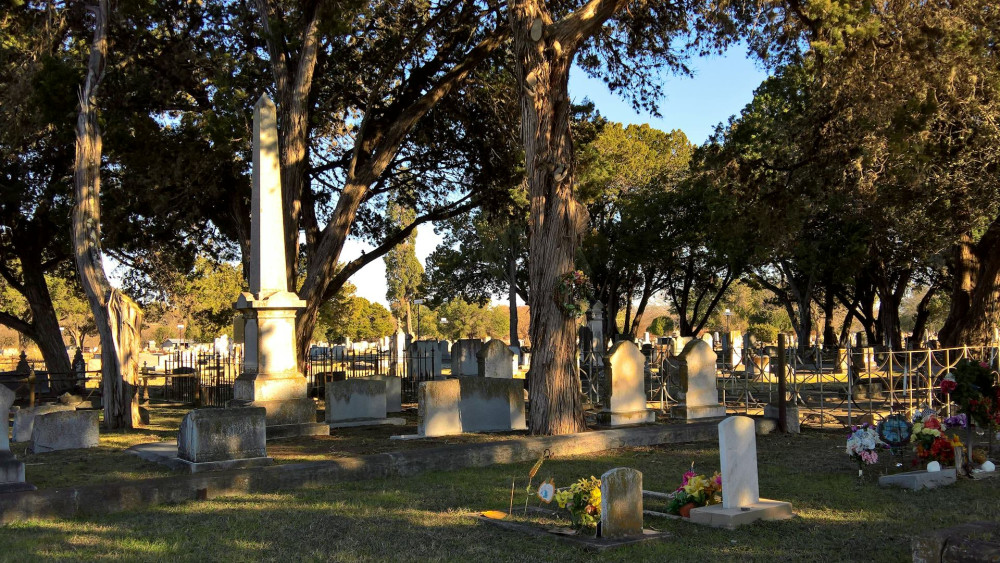
In many African communities, ancestor veneration is central. The departed are seen as active members of the community, honored with offerings of food and drink. In China and other East Asian countries, the Qingming Festival is a time for families to visit graves, clean them, and burn incense—a quiet but deeply symbolic gesture of respect.
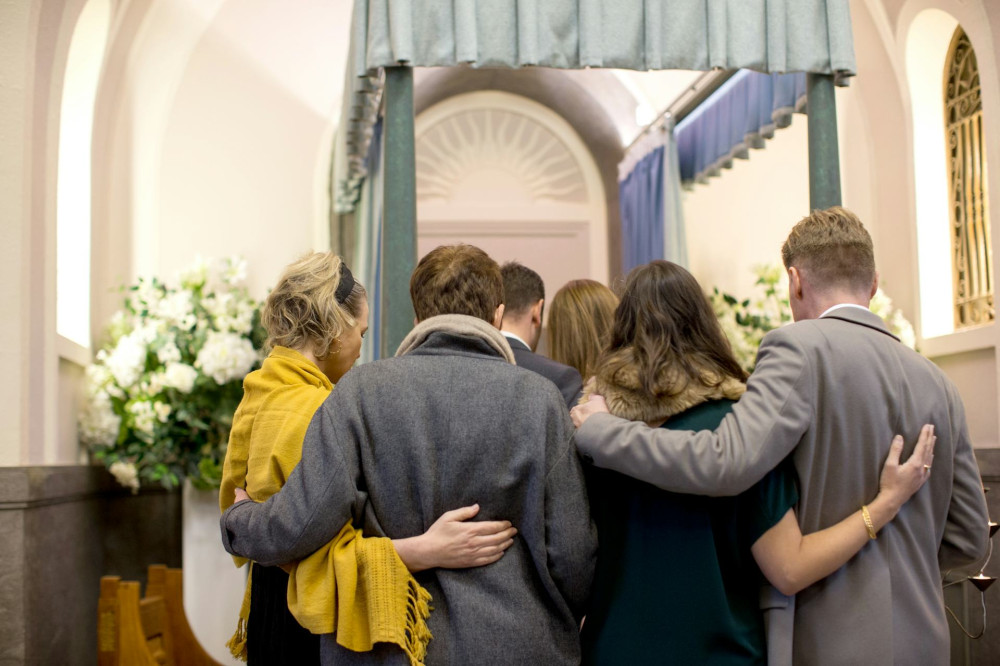
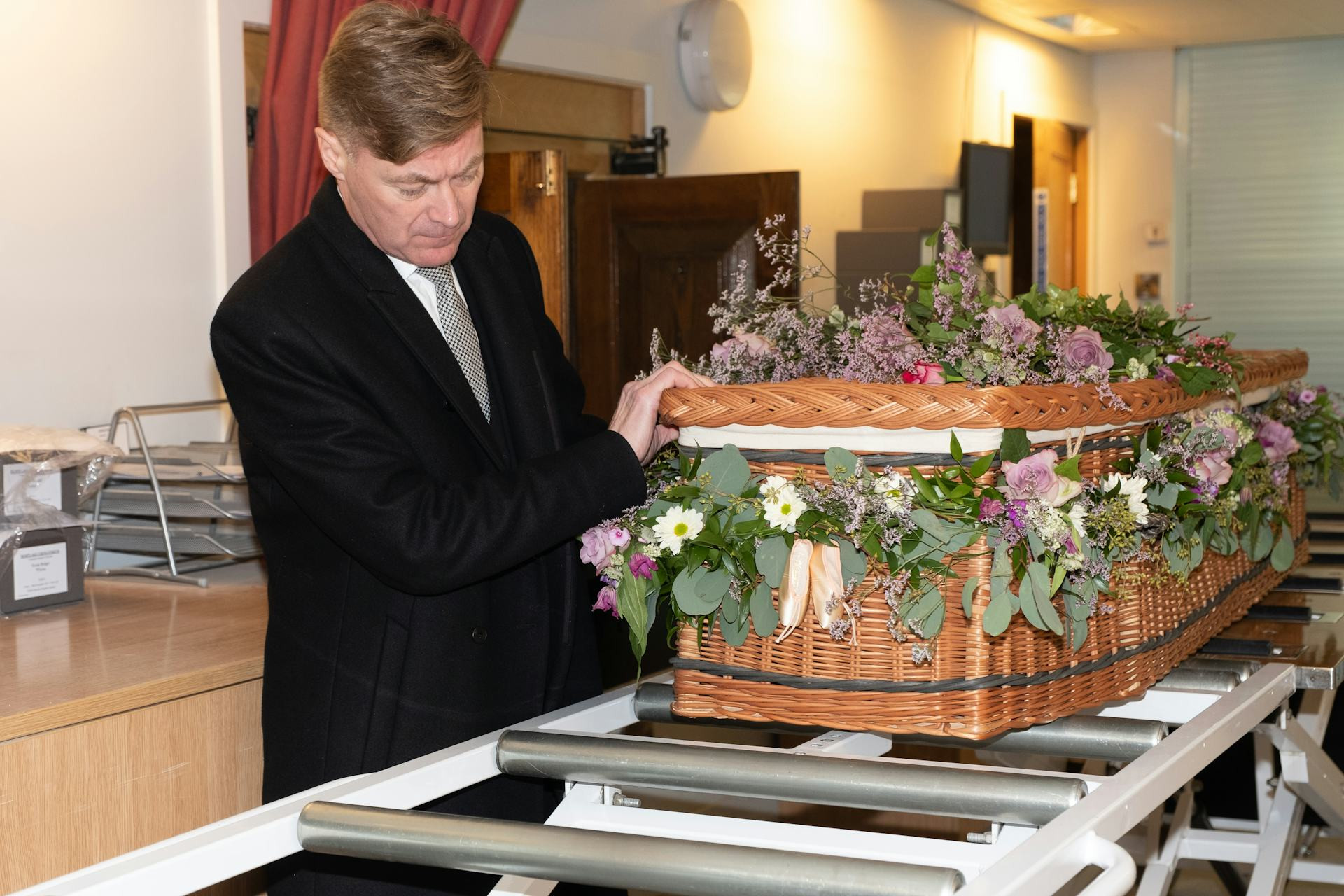
In the U.S., remembrance often takes more subdued forms. Memorial Day honors those who died in military service, while personal memorials—candles, photos, or gatherings—help families keep memories alive. Increasingly, Americans are embracing more personalized ways to remember, from celebration-of-life ceremonies to community events that focus on storytelling and shared reflection.
The Role of Community
Across all cultures, community plays a vital role in both gratitude and remembrance. Saying thank you or remembering together strengthens bonds and creates space for both joy and sorrow.
In many Indigenous traditions, community is at the heart of these rituals. Sharing a meal, singing, or dancing together transforms gratitude from a private emotion into a collective force. It reminds us that we are connected—to one another, to the earth, and to those who came before us.
What We Can Learn from One Another
In a globalized world, traditions increasingly cross borders. Many Americans now take part in cultural celebrations like Día de los Muertos or adopt mindfulness practices rooted in Eastern philosophies. These exchanges show that the need to express thanks and remembrance is universal—but the forms it takes can be as diverse as humanity itself.
Some find comfort in ritual, others in conversation or creative expression. What matters most is that the act feels genuine and connected to what we wish to honor.
Læs også:


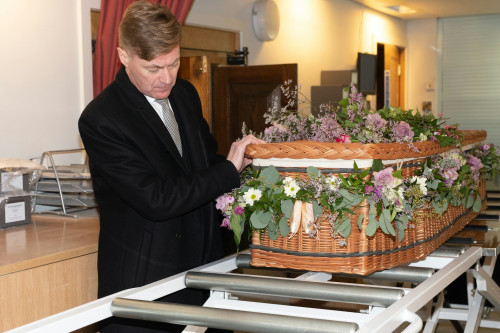
A Quiet Thank You—and a Living Memory
Gratitude and remembrance are two sides of the same human impulse: to recognize the meaning of life. When we give thanks, we open ourselves to joy. When we remember, we keep our connections alive.
Whether through feasts, prayers, candles, or words, these acts say: “You—and what you gave—still matter.” And perhaps that is the most universal tradition of all.
Læs også: