Music Without Words: When Instrumental Pieces Bring Calm and Reflection


Music Without Words: When Instrumental Pieces Bring Calm and Reflection
In a world filled with constant notifications, background chatter, and the hum of everyday life, silence can feel like a rare luxury. Yet, within that noise, there exists a space where calm can take root — a space created by music without words. Instrumental pieces have a unique ability to speak directly to our emotions without saying a single thing. They can comfort, focus the mind, and open a door to reflection, especially in life’s quieter or more tender moments.
Music That Speaks Without a Voice
When there are no lyrics to guide our interpretation, listening becomes more personal. A piano melody, a cello’s deep resonance, or the gentle strum of a guitar can evoke memories, moods, and images that are entirely our own. That freedom is what makes instrumental music so powerful — it allows us to find our own meaning within the sound.
Many people find that instrumental music can serve as emotional support. It can accompany us through grief, help us find calm during stressful times, or simply create a moment of stillness in a busy day. The music becomes a language that doesn’t need translation — one that understands us without words.
Finding Peace in Rhythm — and in Silence
Instrumental music often differs from much of today’s popular music in its pace and structure. It invites slowness. Instead of pushing us forward, as upbeat pop or rock often does, it gives us permission to pause. The spaces between the notes become just as meaningful as the notes themselves.
Research has shown that slow, harmonious music can lower heart rate and reduce stress levels. It’s no coincidence that many people use instrumental music as a backdrop for meditation, yoga, or simply as a quiet companion at home. It creates a space where thoughts can settle and breathing can slow.
Music as a Companion in Farewell and Memory
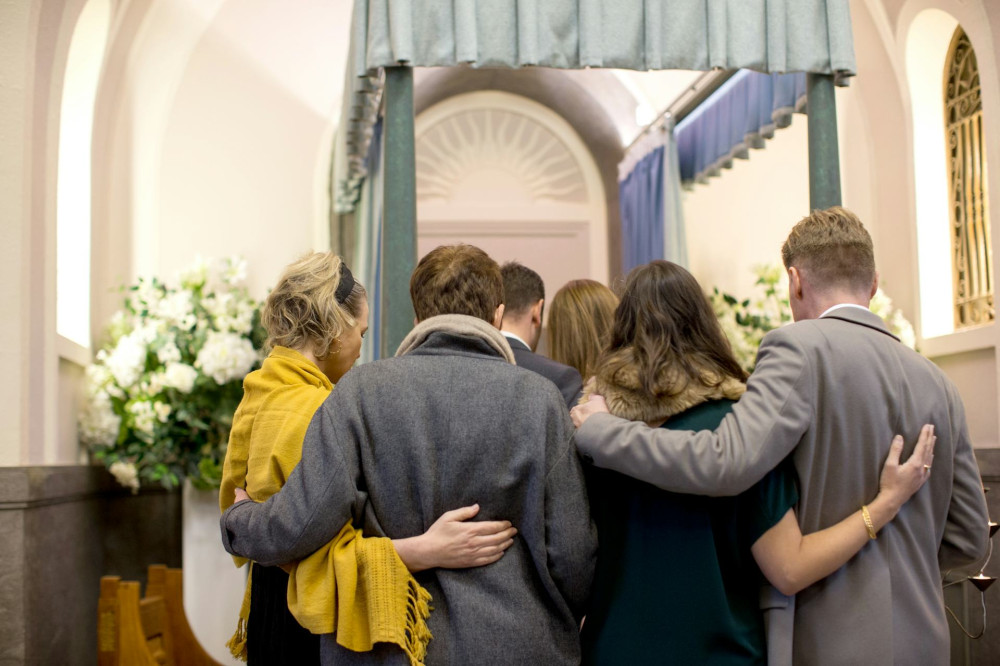
At memorials and moments of farewell, instrumental music often plays a central role. It can express what words cannot — sorrow, love, gratitude. A single piano piece or a violin melody can create a sense of presence and dignity without drawing attention away from what truly matters: the person being remembered.
Many choose instrumental music for such occasions because it isn’t tied to a specific text or belief. It speaks to everyone, regardless of background, and leaves room for personal reflection. The music becomes a shared language for emotions that are otherwise difficult to express.
Discovering Your Own Sound of Calm
There are countless forms of instrumental music — from classical compositions to modern ambient soundscapes and minimalist tones. The key is to find the sound that resonates with you. Some find peace in a simple piano piece, others in nature-inspired tracks, and some in the deep vibrations of string instruments.
Try creating small rituals around your listening: play music while lighting a candle, taking a walk, or simply sitting quietly. The music can become an anchor in your day — a place to return to when you need to breathe deeply and reconnect with yourself.
Læs også:



Music Without Words — But Full of Meaning
Instrumental music reminds us that silence and sound can coexist. It shows that we don’t need words to express emotion, and that calm doesn’t mean the absence of sound — but rather presence in listening. In a time when so much revolves around speaking and doing, it can be liberating to simply listen.
When the notes are allowed to stand on their own, they open a space for reflection — a space where we can feel both sorrow and peace, longing and gratitude. Music without words may not explain life, but it helps us live within it.
Læs også: