Green Farewell: What Does a Sustainable Funeral Involve in Practice?

Green Farewell: What Does a Sustainable Funeral Involve in Practice?
More Americans are beginning to think about how their final farewell can reflect the values they lived by—especially when it comes to caring for the planet. A sustainable funeral isn’t just about choosing an eco-friendly casket; it’s about reimagining the entire process with respect for nature, resources, and the loved ones left behind. But what does that actually look like in practice?
A Growing Interest in Green Goodbyes
As environmental awareness grows, so does the desire to make end-of-life choices that minimize harm to the Earth. Traditional funerals and cremations can have a significant environmental footprint: caskets are often made from hardwoods and metals, embalming fluids contain chemicals, and cremation releases carbon emissions. In response, funeral homes, cemeteries, and manufacturers across the U.S. are developing greener alternatives that align with sustainable values.
Eco-Friendly Caskets and Urns
One of the most visible choices is the casket itself. Today, families can choose from a range of environmentally conscious options:
- Caskets made from sustainably sourced wood, certified by organizations such as the Forest Stewardship Council (FSC).
- Caskets without metal parts or toxic finishes, allowing them to decompose naturally.
- Caskets and urns made from natural materials like bamboo, willow, or recycled cardboard, which require less energy to produce and break down more easily in the soil.
Biodegradable urns are also becoming popular, especially for those who wish to have their ashes buried or scattered in a natural setting. Some even contain seeds, allowing a tree or plant to grow as a living memorial.
Burial or Cremation: Which Is Greener?
There’s no single answer to which option is most sustainable—it depends on how each is carried out. A traditional burial can require land, concrete vaults, and ongoing maintenance, while cremation consumes energy and emits CO₂.
However, new technologies are changing the picture. Some crematories now use energy-efficient systems and heat recovery methods to reduce emissions. Meanwhile, aquamation (also known as alkaline hydrolysis) is emerging as a lower-impact alternative that uses water and alkali instead of flame, producing fewer greenhouse gases.
Ultimately, the most sustainable choice is the one that feels right for the individual and their family—combined with thoughtful decisions about materials, energy use, and land impact.
Natural Burial Grounds and Conservation Cemeteries
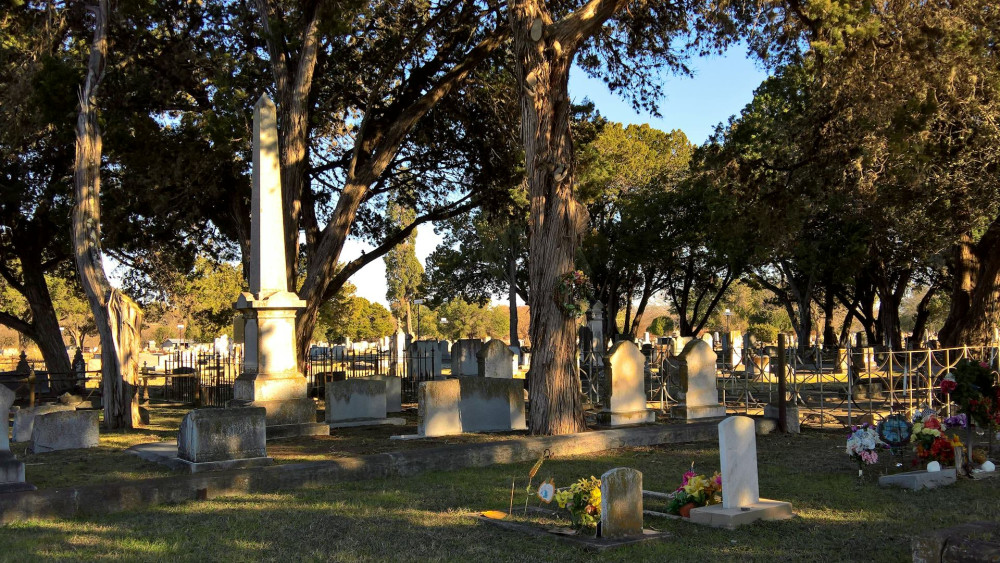
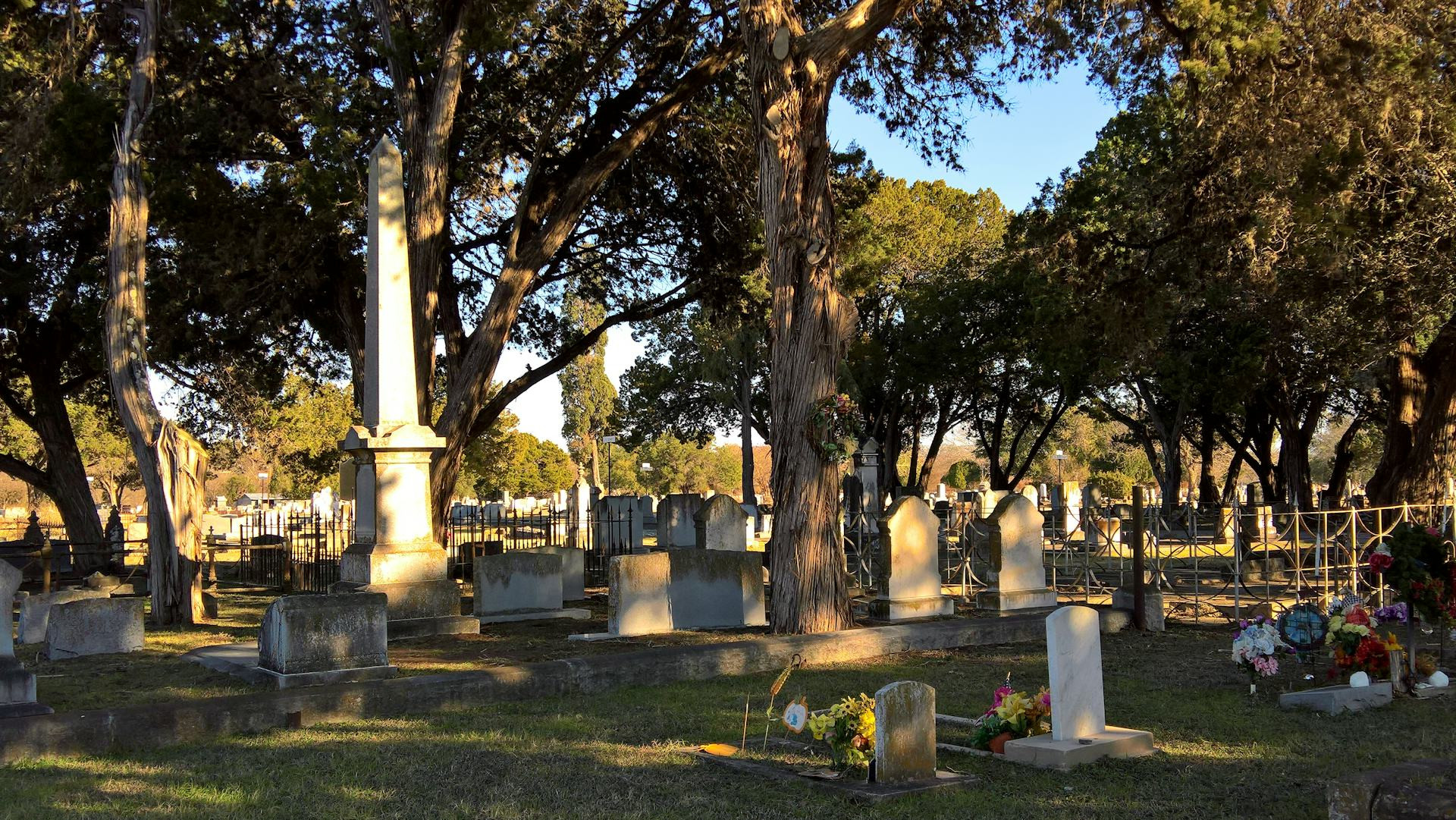
Across the U.S., more cemeteries are offering natural or green burial grounds, where bodies are laid to rest without embalming, metal caskets, or concrete vaults. These sites often resemble meadows or forests rather than manicured lawns, allowing native plants and wildlife to thrive.
Some conservation cemeteries go a step further by using burial fees to fund land preservation. Graves are marked with simple stones or natural markers, and maintenance is minimal. For many, this approach offers a sense of peace—returning to the earth in a way that supports new life.
Flowers, Transportation, and the Memorial Gathering
Even small details can make a difference. Choosing seasonal, locally grown flowers instead of imported ones reduces transportation emissions and supports local growers.
Transportation to and from the service can also be planned with sustainability in mind—carpooling, using electric vehicles, or holding the ceremony close to home all help reduce the carbon footprint.
At the memorial gathering, families can opt for reusable tableware, locally sourced food, and digital programs instead of printed ones. These choices don’t diminish the meaning of the event; they simply align it with a mindful, responsible approach.
Talking About It in Advance
A sustainable farewell often begins with a conversation. When wishes are discussed ahead of time—whether written down or shared with loved ones—it becomes easier for family members to make decisions that honor both personal and environmental values.
Many funeral directors now offer guidance on green options, helping families plan ceremonies that feel authentic and environmentally responsible.
Læs også:


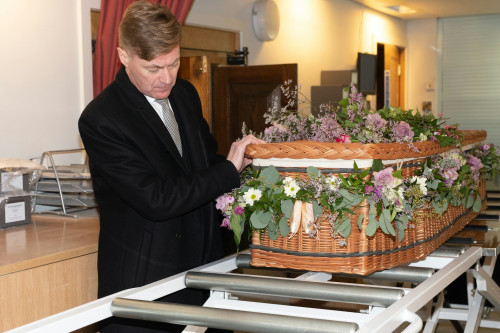
A Farewell in Harmony with Nature
In the end, a sustainable funeral is about respect—for life, for the planet, and for those who remain. It’s a way to say goodbye that honors the past while caring for the future.
Whether it’s a simple burial in a woodland cemetery or a traditional service with eco-conscious touches, what matters most is that the farewell feels genuine and in harmony with the values that shaped a life well lived.
Læs også: